The History of White People: Tribes, Thrones, Enlightenment | Paperback Book
Couldn't load pickup availability
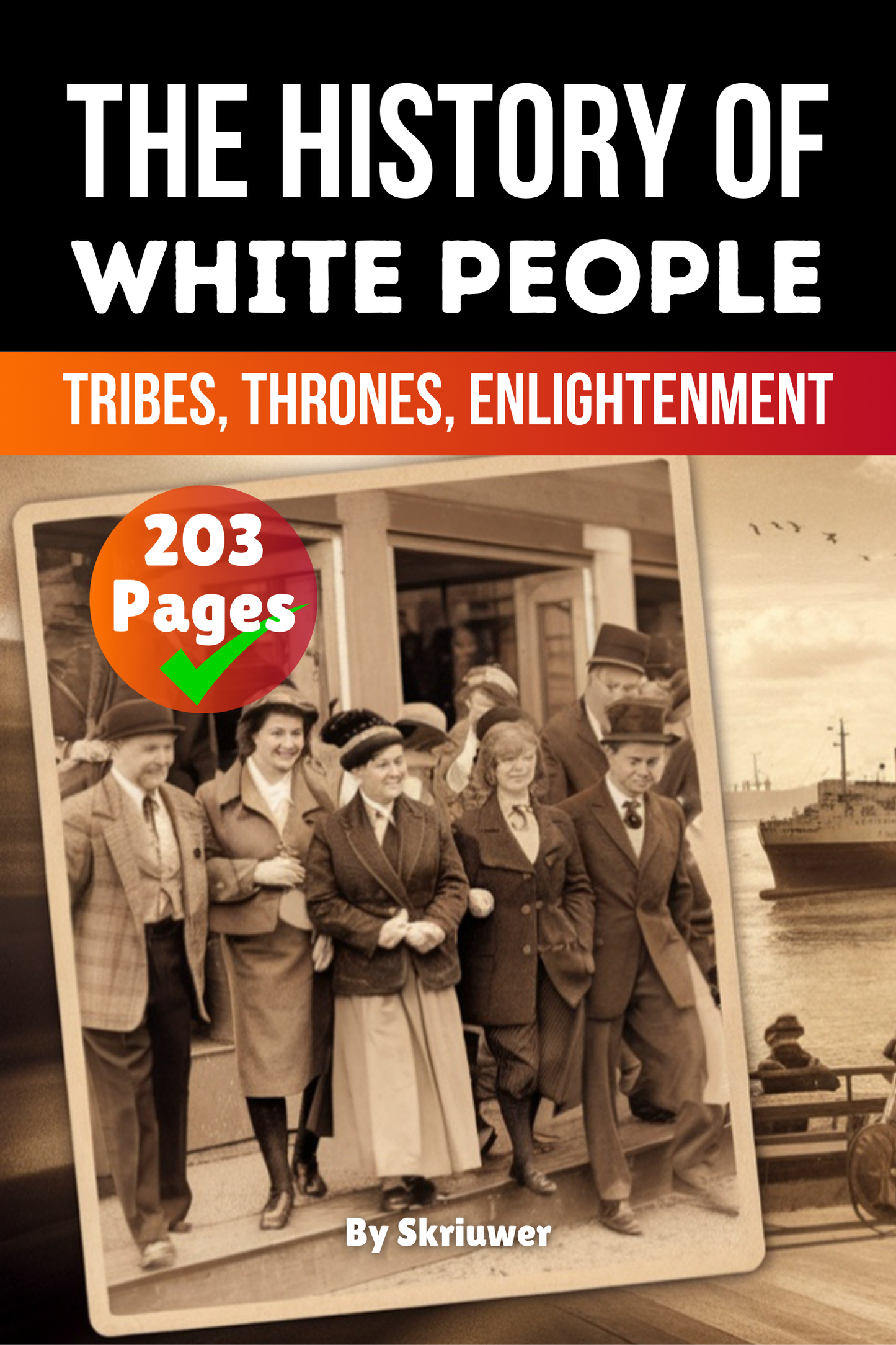
This book explores the historical development of the concept of "whiteness" in Europe, examining how it was shaped by social, political, and cultural forces rather than inherent biological traits. It traces the evolution of this idea from ancient times through various historical periods, including its role in empire-building and social divisions.
Key Topics Covered:
- The origins of the concept through Indo-European migrations and Roman conquests, which categorized groups as "civilized" or "barbarian."
- Changes during the feudal era, where lords established hierarchies, and the Renaissance, where artists drew on Greek ideals.
Historical Journey:
- Prehistoric divisions: How tribal identifiers evolved into hierarchical structures before scientific rationalizations.
- Medieval dynamics: The labeling of serfs as inferior by birth and nobles' claims of pure bloodlines.
- Enlightenment perspectives: Philosophers' emphasis on reason alongside classifications based on physical features like skull shape.
- Cultural influences: Renaissance portrayals of Athenian "whiteness" and the oversight of its Afro-Asiatic connections.
Reader Feedback Example: "This book challenged my understanding from school. The discussion on feudal lords' use of 'Christian purity' to justify serfdom and the Enlightenment's involvement in racial science provides insight into historical and modern contexts." — Dr. Elena V. (Historian, Verified Purchase)
Book Features:
- Comprehensive Timeline: Covers 5,000 years, from megalith builders to Voltaire's era.
- Intended Audience: Suitable for those interested in critiquing race science, studying power dynamics, or exploring Europe's historical origins.
TABLE OF CONTENTS
CHAPTER 1: PREHISTORIC BEGINNINGS AND THE CONCEPT OF “WHITENESS”
- Earliest evidence of human presence in Europe
- Beginnings of cultural traits and physical diversity
- Foundations of later ideas surrounding “whiteness”
CHAPTER 2: EARLY INDO-EUROPEAN MIGRATIONS AND CULTURES
- Origins and spread of Indo-European languages
- Settlement patterns and technological advancements
- Formation of tribal identities
CHAPTER 3: ANCIENT CIVILIZATIONS OF EUROPE (BRONZE AGE TO IRON AGE)
- Growth of trade networks and metallurgy
- Cultural exchange among emerging European societies
- Shift from prehistoric clans to organized communities
CHAPTER 4: CLASSICAL ANTIQUITY—GREECE AND ROME
- Rise of city-states and the dawn of democracy
- Philosophy, art, and architecture shaping European identity
- Expansion of Roman power and cultural assimilation
CHAPTER 5: THE EARLY MIDDLE AGES—TRIBES AND KINGDOMS
- Collapse of Rome and the transition to medieval structures
- Emergence of new kingdoms and tribal confederations
- Role of Christianity and shifting power centers
CHAPTER 6: THE HIGH MIDDLE AGES—FEUDAL SOCIETIES AND CULTURAL SHIFTS
- Feudal relationships between lords, vassals, and serfs
- Growth of towns and influence of guilds
- Cultural exchange through pilgrimages and trade routes
CHAPTER 7: THE LATE MIDDLE AGES—TRANSITIONS IN POWER AND IDENTITY
- Reevaluation of social structures and monarchies
- Impacts of the Black Death on society and economy
- Decline of feudalism and the rise of nation-states
CHAPTER 8: THE RENAISSANCE—ART, LEARNING, AND SHIFTING IDEAS
- Renewed interest in classical knowledge and humanism
- Artistic achievements reflecting changes in worldview
- Spread of scientific curiosity and cultural exploration
CHAPTER 9: THE REFORMATION AND RELIGIOUS UPHEAVALS IN EUROPE
- Critiques of the Church and Martin Luther’s role
- Religious divisions shaping political alliances
- Impact on social order and individual freedoms
CHAPTER 10: THE AGE OF DISCOVERY (BUT AVOIDING MODERN COLONIAL FOCUS)
- Motivations for exploration and maritime innovation
- Exchange of ideas and goods between continents
- Effects on European self-awareness and identity
CHAPTER 11: THE SCIENTIFIC REVOLUTION—NEW WAYS OF THINKING
- Advancements in astronomy, physics, and biology
- Challenges to traditional authority and belief
- Rise of empirical methods in understanding nature
CHAPTER 12: THE ENLIGHTENMENT—PHILOSOPHY AND THE EARLY MODERN MINDSET
- Spread of reason-based thinking
- Influence of key philosophers on social and political ideas
- Growing emphasis on individual rights and freedoms
CHAPTER 13: POLITICAL CHANGES IN EARLY MODERN EUROPE
- Emergence of centralized monarchies and new governance
- Struggles for power among European states
- Repercussions of shifting diplomatic alliances
CHAPTER 14: SOCIETAL STRUCTURES—CLASS, GENDER, AND DAILY LIFE
- Roles within feudal and post-feudal hierarchies
- Expectations for men and women in various social ranks
- Changing patterns of work, family, and social customs
CHAPTER 15: CULTURAL EXPRESSIONS—LITERATURE, MUSIC, AND FOLK TRADITIONS
- Evolution of storytelling and written works
- Formation of musical styles and communal celebrations
- Survival of regional folklore and oral traditions
CHAPTER 16: WAR AND CONFLICT IN EARLY MODERN EUROPE
- Key conflicts shaping territorial boundaries
- Technological developments in warfare
- Effects of military campaigns on local populations
CHAPTER 17: SHAPING IDENTITIES—REGIONAL DIFFERENCES AND COMMON THREADS
- Distinct local customs versus broader European identity
- Influence of language, religion, and shared history
- Relationships between neighboring regions and cultures
CHAPTER 18: SHIFTS IN ECONOMIC LIFE—FROM RURAL TO EMERGING URBAN CENTERS
- Development of trade networks and market systems
- Migration to towns and growth of the merchant class
- Changing lifestyles in agriculture and small industries
CHAPTER 19: INTELLECTUAL MOVEMENTS AND THEIR IMPACT ON SOCIETY
- Rise of universities and academic circles
- Role of printing technology in information spread
- Encouragement of debate and critical thinking
CHAPTER 20: TOWARD THE THRESHOLD OF THE MODERN ERA
- Culmination of cultural and intellectual currents
- Increased social awareness and political consciousness
- Foundations laid for later modern transformations
Product Details
Dimensions: 5.8 × 8.3 inches / 15.24 x 22.86 cm
Cover: Paperback

Why Skriuwer.com?
-
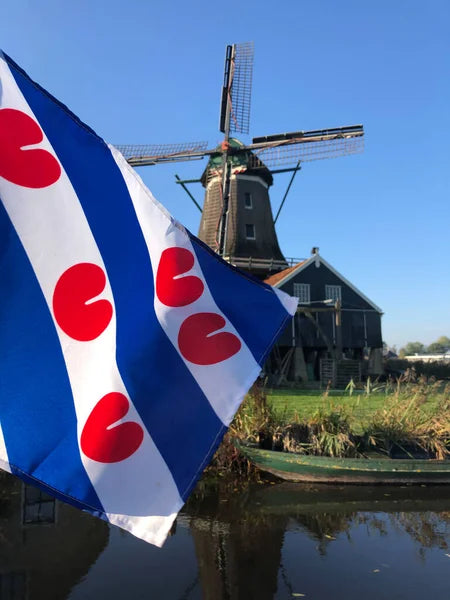
Supporting Frisian Language
When you buy from Skriuwer, you're not just getting a book—you’re helping create more Frisian books and educational resources like LearnFrisian.com. Your support directly helps us preserve and grow the Frisian language for future generations.
-
Making Languages Accessible
We believe in making languages easy to learn and accessible. While Frisian is our passion, we also want to help people learn other key languages like Dutch and English by providing helpful resources and learning tools.
-
Investing in Future Projects
Your purchase fuels more than just current projects. It helps us dream big and plan for the future, whether that’s developing new books, launching language-learning platforms, or supporting other educational initiatives. You're helping us build something lasting!
Preserving the Frisian Language
At Skriuwer.com, we believe that the Frisian language is more than just words—it's a living, breathing part of our heritage. But like many minority languages, it faces challenges of survival in an ever-changing world. That’s why our mission is simple yet vital: to keep the Frisian language alive and thriving for generations to come.
Every book we create, every story we tell, and every word we publish is part of a larger effort to preserve and celebrate Frisian culture. But we can’t do it alone. With your help, we can make a real difference.

How You Can Help:
- When you purchase one of our books, you’re not just adding a beautiful piece of literature to your collection—you’re directly supporting the preservation of the Frisian language. Each book helps to spread the richness of our language to more people.
- You can also contribute to this cause by learning the Frisian language through our partner site, www.learnfrisian.com.
- Donate: If you believe in our mission, you can also make a contribution to help us continue our work. Whether it’s funding new publications, supporting educational programs, or helping us reach more Frisian speakers, your donation can make a lasting impact. Just click the button below to contribute!
Together, we can ensure that the Frisian language remains a vibrant part of our world. Join us in this journey—your support today means a brighter future for our language tomorrow.