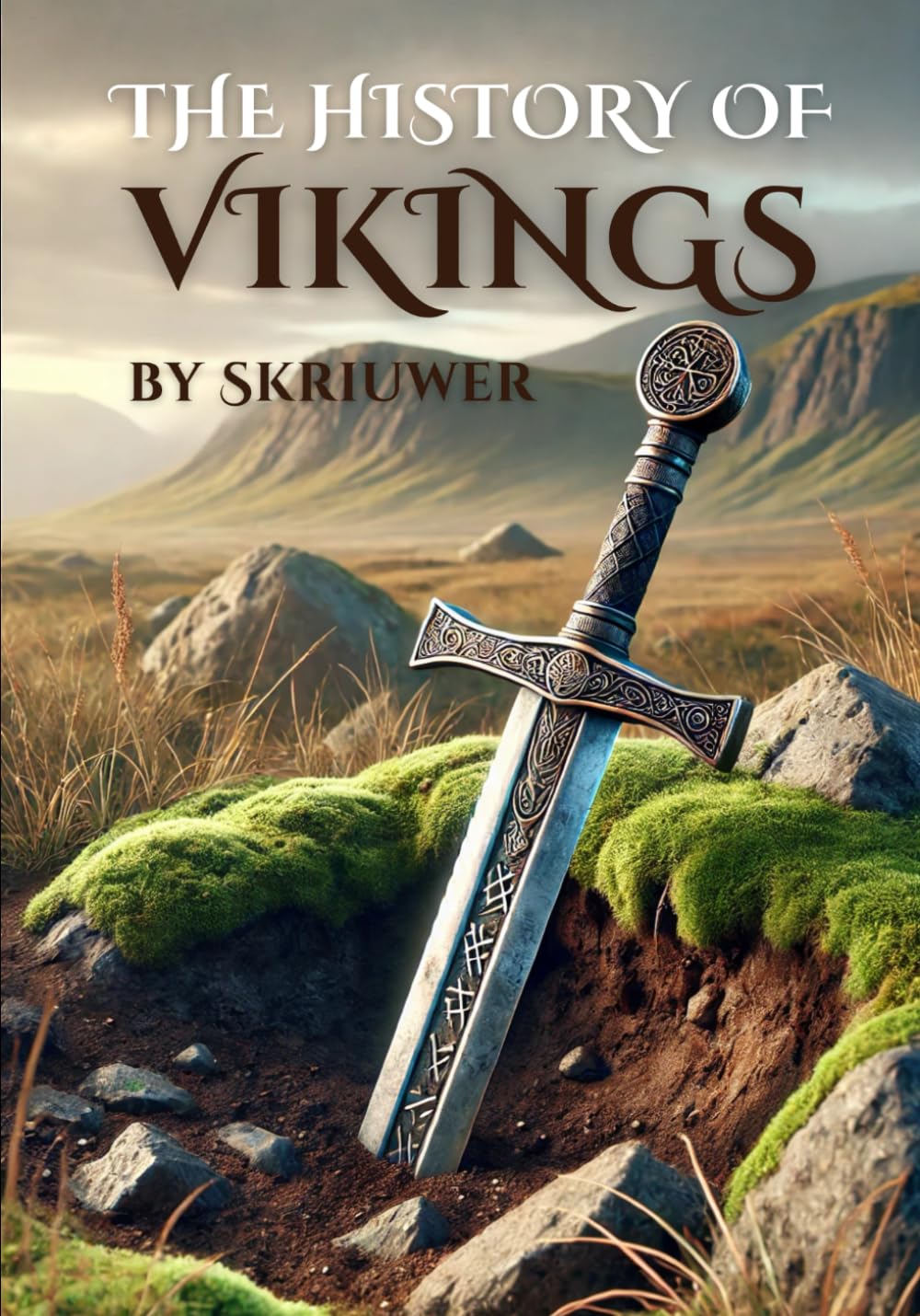
The History of the Vikings: The Epic Story of Norse Seafarers | Paperback Book
Couldn't load pickup availability
This book explores the history of the Vikings from the 8th to 11th centuries, covering their navigation, trade, raids, and cultural practices. It discusses their interactions with Europe, the Byzantine Empire, and North America.
Key Topics Covered:
- Raids and Settlements: Events like the Lindisfarne attack and voyages to Vinland.
- Trade and Military Roles: Connections with Constantinople and service in the Varangian Guard.
- Exploration and Navigation: Techniques and discoveries, including possible use of sunstones.
- Society and Beliefs: Economic systems, religious concepts like Ragnarök, and roles of women in leadership.
Reader Feedback Example: "This book covers Viking navigation and cultural aspects." — NordicExplorer (Verified Purchase)
Book Features:
- Comprehensive Coverage: Includes archaeological and saga-based insights.
- Intended Audience: Suitable for those interested in medieval history and exploration.
TABLE OF CONTENTS
1. Introduction
- Why the Vikings?
- Defining “Viking” versus all Scandinavians
- Stereotypes debunked (no horned helmets!)
- Primary sources: archaeology, runic inscriptions, sagas
- Quick timeline of the Viking Age
- Early social structures and political backgrounds
2. The Land and Sea of Scandinavia
- Climate extremes from Denmark to northern Norway
- Fjords, forests, and farmland
- Coastal navigation: rivers, inlets, and archipelagos
- Early maritime trade and fishing
- Timber resources for shipbuilding
- Key ports, bays, and anchorages
3. Early Societies in Northern Europe
- Germanic tribal migrations and post-Roman landscapes
- Law, governance, and tribal assemblies
- Transition from tribal societies to petty kingdoms
- Religious and cultural transitions before the Viking Age
- Early trade networks: amber, furs, metalwork
- Foundations that paved the way for Viking expansion
4. The Formation of Viking Culture
- Shared Norse traditions and values
- Emergence of a “Viking” identity: raids, fame, glory
- Family bonds, clan structures, and arranged marriages
- Sacred rites and seasonal festivals
- Honor culture and warrior ethos
- Influence of local art, craftsmanship, and religion
5. Viking Raids in the British Isles
- Lindisfarne, 793 CE: the shock that started an era
- Patterns of raiding along coasts and rivers
- Raids on Scotland’s northern isles and Ireland’s monasteries
- The “Great Heathen Army” in England and the Danelaw
- Founding of Norse towns in Ireland: Dublin, Waterford, Limerick
- Adaptations by local kingdoms and the Church
6. Viking Expansion in Continental Europe
- Encounters with the Carolingian Empire
- Raids in the Low Countries and up major rivers
- Siege of Paris, 845 and 885–886
- Rollo and the foundation of Normandy
- Ventures into Iberia and beyond
- Shifting tactics as Frankish defenses improved
7. The Vikings in Eastern Lands
- Navigating the Baltic and venturing into Slavic territories
- The “Rus” question: origins and debates
- Founding of Novgorod and Kiev
- Trade routes to the Byzantine Empire and Abbasid Caliphate
- Varangian Guard service in Constantinople
- Interactions with Slavs, steppe nomads, and the Christianization process
8. Voyages to the West: Iceland, Greenland & Beyond
- Iceland’s settlement: Ingólfr Arnarson and the landnám period
- Erik the Red discovering Greenland’s fjords
- Leif Erikson’s Vinland expeditions to North America
- Life in Greenland: farming, walrus ivory trade, and survival challenges
- The brief spark of Vinland colonies
- Long-term significance of the North Atlantic outposts
9. Viking Religion and Mythology
- Sources: Poetic Edda, Prose Edda, runic inscriptions
- The Norse pantheon: Odin, Thor, Freya, Loki
- Cosmology: Yggdrasil, the Nine Worlds, giants, and dwarves
- Rites, blót sacrifices, and the role of seiðr magic
- Valhalla, Hel, and afterlife concepts
- Christian influence, conversion, and enduring mythic legacies
10. Society, Family, and Daily Life
- Social classes: jarls, karls, thralls
- Marriage alliances, dowries, and women’s roles
- Farming cycles, livestock, and preserving food
- Clothing, grooming, and home life in a longhouse
- Local assemblies, law codes, and everyday disputes
- Leisure, sports, and traditions of hospitality
11. Ships, Navigation, and Warfare
- Clinker-built construction: longships, knarrs, coastal boats
- Navigation skills: sun, stars, wind, maybe the “sunstone”
- Weapons: swords, axes, spears, bows; armor and shield walls
- Hit-and-run raids, ambush tactics, and naval combat
- Strategic innovation: fleets, alliances, and psychological warfare
- Defense responses in Europe and the shift to settlement or tribute
12. Trade and Economics of the Viking Age
- Key exports: furs, walrus ivory, amber, slaves
- Far-reaching routes to the British Isles, Francia, Eastern Europe, and Byzantium
- Major trade towns: Hedeby, Birka, Ribe, Dublin
- Bullion economy, coin use, and the influx of Islamic silver
- Slavery’s role in Viking wealth
- Royal monopolies, Church influences, and late-era economic transformations
13. The End of the Viking Age
- Stronger monarchies in Norway, Denmark, and Sweden
- Growth of royal fleets, consolidation of power, and Christianization
- Foreign defenses stiffening, reducing easy plunder
- Last great campaigns: Cnut’s “North Sea Empire” and Harald Hardrada’s invasion of England (1066)
- Cultural and legal shifts after 1066
- Overseas Norse communities adapting under new rulers
14. The Viking Legacy in the Modern World
- Rediscovery in medieval chronicles, romantic nationalism, and modern scholarship
- Archaeological highlights: Oseberg, Gokstad, L’Anse aux Meadows
- Sagas and literary influence on historical fiction and fantasy
- National branding in Scandinavia, plus the Danelaw and Normandy heritage
- Misuse by extremist ideologies; scholarly corrections
- Pop culture presence: films, TV, metal music, and video games
- Ongoing debates: archaeology, DNA studies, reevaluating Viking diversity
Product Details
Dimensions: 5.8 × 8.3 inches / 15.24 x 22.86 cm
Cover: Paperback

Why Skriuwer.com?
-
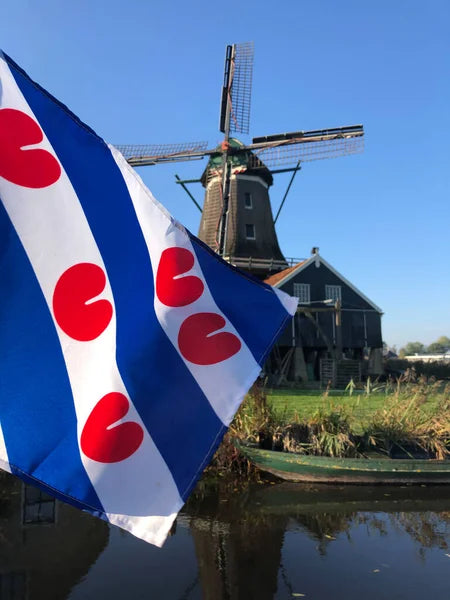
Supporting Frisian Language
When you buy from Skriuwer, you're not just getting a book—you’re helping create more Frisian books and educational resources like LearnFrisian.com. Your support directly helps us preserve and grow the Frisian language for future generations.
-
Making Languages Accessible
We believe in making languages easy to learn and accessible. While Frisian is our passion, we also want to help people learn other key languages like Dutch and English by providing helpful resources and learning tools.
-
Investing in Future Projects
Your purchase fuels more than just current projects. It helps us dream big and plan for the future, whether that’s developing new books, launching language-learning platforms, or supporting other educational initiatives. You're helping us build something lasting!
Preserving the Frisian Language
At Skriuwer.com, we believe that the Frisian language is more than just words—it's a living, breathing part of our heritage. But like many minority languages, it faces challenges of survival in an ever-changing world. That’s why our mission is simple yet vital: to keep the Frisian language alive and thriving for generations to come.
Every book we create, every story we tell, and every word we publish is part of a larger effort to preserve and celebrate Frisian culture. But we can’t do it alone. With your help, we can make a real difference.

How You Can Help:
- When you purchase one of our books, you’re not just adding a beautiful piece of literature to your collection—you’re directly supporting the preservation of the Frisian language. Each book helps to spread the richness of our language to more people.
- You can also contribute to this cause by learning the Frisian language through our partner site, www.learnfrisian.com.
- Donate: If you believe in our mission, you can also make a contribution to help us continue our work. Whether it’s funding new publications, supporting educational programs, or helping us reach more Frisian speakers, your donation can make a lasting impact. Just click the button below to contribute!
Together, we can ensure that the Frisian language remains a vibrant part of our world. Join us in this journey—your support today means a brighter future for our language tomorrow.