All 1044 books
156 of them written and published under Skriuwer.com. Click any book for details and the current price on your local Amazon.
Duma Key: A Novel
Stephen King
The Crypto Book
Siam Kidd
The Five Dysfunctions of a Team: A Leadership Fable, 20th Anniversary Edition
Patrick M. Lencioni
Bitcoin And Cryptocurrency Trading For Beginners: Basic Definitions, Crypto Exchanges, Tools And Practical Trading Tips
Mark Zuckerman
Bag of Bones: A Novel
Stephen King
On Writing: A Memoir of the Craft
Stephen King
Mythology
Edith Hamilton, Aphrodite Trust, Apollo Trust
Social Intelligence: The New Science of Human Relationships
Daniel Goleman

The Sixth Extinction: An Unnatural History
Elizabeth Kolbert
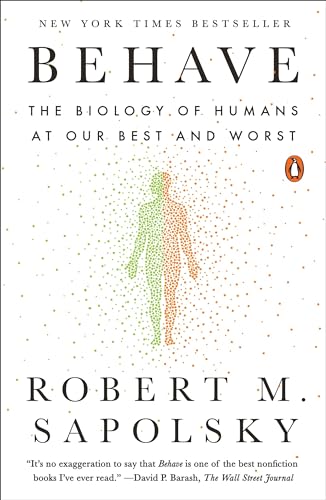
Behave: The Biology of Humans at Our Best and Worst
Robert M. Sapolsky
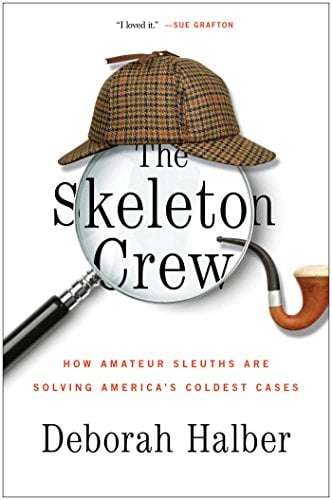
The Skeleton Crew: How Amateur Sleuths Are Solving America’s Coldest Cases
Deborah Halber

The Great Mortality: An Intimate History of the Black Death, the Most Devastating Plague of All Time
John Kelly
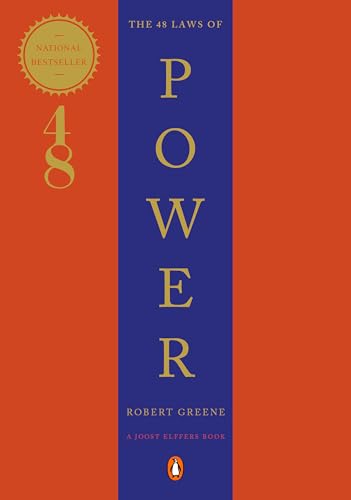
The 48 Laws of Power
Robert Greene

Why Does He Do That?: Inside the Minds of Angry and Controlling Men
Lundy Bancroft
Walter Isaacson Great Innovators e-book boxed set: Steve Jobs, Benjamin Franklin, Einstein
Walter Isaacson

Bitcoin, Blockchain, and Cryptoassets: A Comprehensive Introduction
Aleksander Berentsen Fabian Schar
The Devil in the White City: A Saga of Magic and Murder at the Fair that Changed America
Erik Larson
How to Make Money from Crypto Trading & Investing for Beginners: Complete Guide on How to Buy & Sell Bitcoin & Altcoins for Profit, DeFi Yield Farming with Cryptocurrency Investments Tips
Buzzer Joseph
 ★ Our Pick
The Historical Jesus: Separating Man from Myth: Evidence, History, and the Fight for Truth
Skriuwer.com
 ★ Our Pick
Bilingual short stories: English-Japanese: 75 Magical Stories for English speakers learning Japanese
Skriuwer.com
 ★ Our Pick
Die dunkle Geschichte der Wissenschaft: Als der Fortschritt auf Kosten der Menschen ging
Skriuwer.com
 ★ Our Pick
Die Geschichte des Rassismus: Evolutionäre Instinkte, menschliche Spaltung und die natürliche Ordnung von Gruppenunterschieden
Skriuwer.com
 ★ Our Pick
Gegen alle Widrigkeiten: Die verrücktesten wahren Überlebensgeschichten aus der Wildnis
Skriuwer.com
 ★ Our Pick
Bilingual short stories: English-Russian: 75 Magical Stories for English speakers learning Russian
Skriuwer.com
 ★ Our Pick
Die unbekannte Geschichte Japans: Umstrittene Geheimnisse, verschüttete Gräueltaten und verbotene japanische Geschichten
Skriuwer.com
 ★ Our Pick
Bilingual short stories: English-Portuguese: 75 Magical Stories for English speakers learning Portuguese
Skriuwer.com
 ★ Our Pick
Zweisprachige Kurzgeschichten: Deutsch-Russisch: 75 Magische Geschichten für Deutschsprachige, die Russisch lernen
Skriuwer.com
 ★ Our Pick
Bilingual short stories: English-Greek: 75 Magical Stories for English speakers learning Greek
Skriuwer.com
 ★ Our Pick
Zweisprachige Kurzgeschichten: Deutsch-Ukrainisch: 75 Magische Geschichten für Deutschsprachige, die Ukrainisch lernen
Skriuwer.com
 ★ Our Pick
Zweisprachige Kurzgeschichten: Deutsch-Ungarisch: 75 Magische Geschichten für Deutschsprachige, die Ungarisch lernen
Skriuwer.com
 ★ Our Pick
Zweisprachige Kurzgeschichten: Deutsch-Rumänisch: 75 Magische Geschichten für Deutschsprachige, die Rumänisch lernen
Skriuwer.com
 ★ Our Pick
Zweisprachige Kurzgeschichten: Deutsch-Griechisch: 75 Magische Geschichten für Deutschsprachige, die Griechisch lernen
Skriuwer.com
 ★ Our Pick
Zweisprachige Kurzgeschichten: Deutsch-Slowenisch: 75 Magische Geschichten für Deutschsprachige, die Slowenisch lernen
Skriuwer.com
 ★ Our Pick
Zweisprachige Kurzgeschichten: Deutsch-Slowakisch: 75 Magische Geschichten für Deutschsprachige, die Slowakisch lernen
Skriuwer.com
 ★ Our Pick
Zweisprachige Kurzgeschichten: Deutsch-Isländisch: 75 Magische Geschichten für Deutschsprachige, die Isländisch lernen
Skriuwer.com
 ★ Our Pick
Zweisprachige Kurzgeschichten: Deutsch-Tschechisch: 75 Magische Geschichten für Deutschsprachige, die Tschechisch lernen
Skriuwer.com
 ★ Our Pick
Zweisprachige Kurzgeschichten: Deutsch-Türkisch: 75 Magische Geschichten für Deutschsprachige, die Türkisch lernen
Skriuwer.com
 ★ Our Pick
The American Revolution's Brutal Reality: Exposing Slavery Hypocrisy, Native Genocides, and Loyalist Massacres
Skriuwer.com
 ★ Our Pick
Zweisprachige Kurzgeschichten: Deutsch-Finnisch: 75 Magische Geschichten für Deutschsprachige, die Finnisch lernen
Skriuwer.com
 ★ Our Pick
Zweisprachige Kurzgeschichten: Deutsch-Englisch: 75 Magische Geschichten für Deutschsprachige, die Englisch lernen
Skriuwer.com
 ★ Our Pick
Bilingual short stories: English-Dutch: 75 Magical Stories for English speakers learning Dutch
Skriuwer.com
 ★ Our Pick
Bilingual short stories: English-Polish: 75 Magical Stories for English speakers learning Polish
Skriuwer.com
 ★ Our Pick
Bilingual short stories: English-Czech: 75 Magical Stories for English speakers learning Czech
Skriuwer.com
 ★ Our Pick
Bilingual short stories: English-Icelandic: 75 Magical Stories for English speakers learning Icelandic
Skriuwer.com
 ★ Our Pick
Bilingual short stories: English-Finnish: 75 Magical Stories for English speakers learning Finnish
Skriuwer.com
 ★ Our Pick
Bilingual short stories: English-Norwegian: 75 Magical Stories for English speakers learning Norwegian
Skriuwer.com
 ★ Our Pick
Bilingual short stories: English-Danish: 75 Magical Stories for English speakers learning Danish
Skriuwer.com
 ★ Our Pick
Bilingual short stories: English-Swedish: 75 Magical Stories for English speakers learning Swedish
Skriuwer.com