Hidden History Meaning
Pick up any standard history textbook and you'll notice something odd: entire chapters of human experience are missing. The hidden history meaning refers to those stories, events, and perspectives that never made it into the official record, not because they didn't matter, but because someone decided they were inconvenient, uncomfortable, or simply not worth telling. It's the history that exists in the margins, waiting for readers willing to look beyond what they were taught in school.
These gaps aren't accidental. Governments rewrite events. Victors shape narratives. Publishers play it safe. Over time, entire populations, conflicts, and truths get quietly edited out of the collective memory. What remains is a polished version of the past that serves specific interests, and it rarely tells the full story. Understanding what hidden history actually means is the first step toward recognizing those blind spots in your own knowledge.
This is exactly why Skriuwer exists. As an independent publishing house, we specialize in the books that mainstream publishers won't touch, the untold accounts, the challenging perspectives, and the buried facts that deserve a place on your shelf. In this article, we break down what hidden history means, why it matters, and how entire chapters of the human story end up erased. If you've ever suspected that what you were taught was incomplete, you're about to find out just how right you were.
What hidden history means
When historians talk about hidden history, they don't mean secret societies or classified documents, though those can be part of it. The term covers a much broader reality: the stories, people, and events that were left out of the historical record not through dramatic conspiracy, but through ordinary choices about what was worth recording, teaching, or preserving. Understanding the full hidden history meaning requires you to think about history not as a fixed set of facts but as a selection, one made by people with interests, biases, and blind spots of their own.
The difference between omission and erasure
Not every gap in the historical record works the same way. Omission happens when certain events or groups are simply never included in the dominant narrative from the start. Erasure, on the other hand, happens when something was once known but gets actively removed, suppressed, or reframed over time. Both produce the same result: you grow up believing an incomplete version of the past without realizing anything is missing.
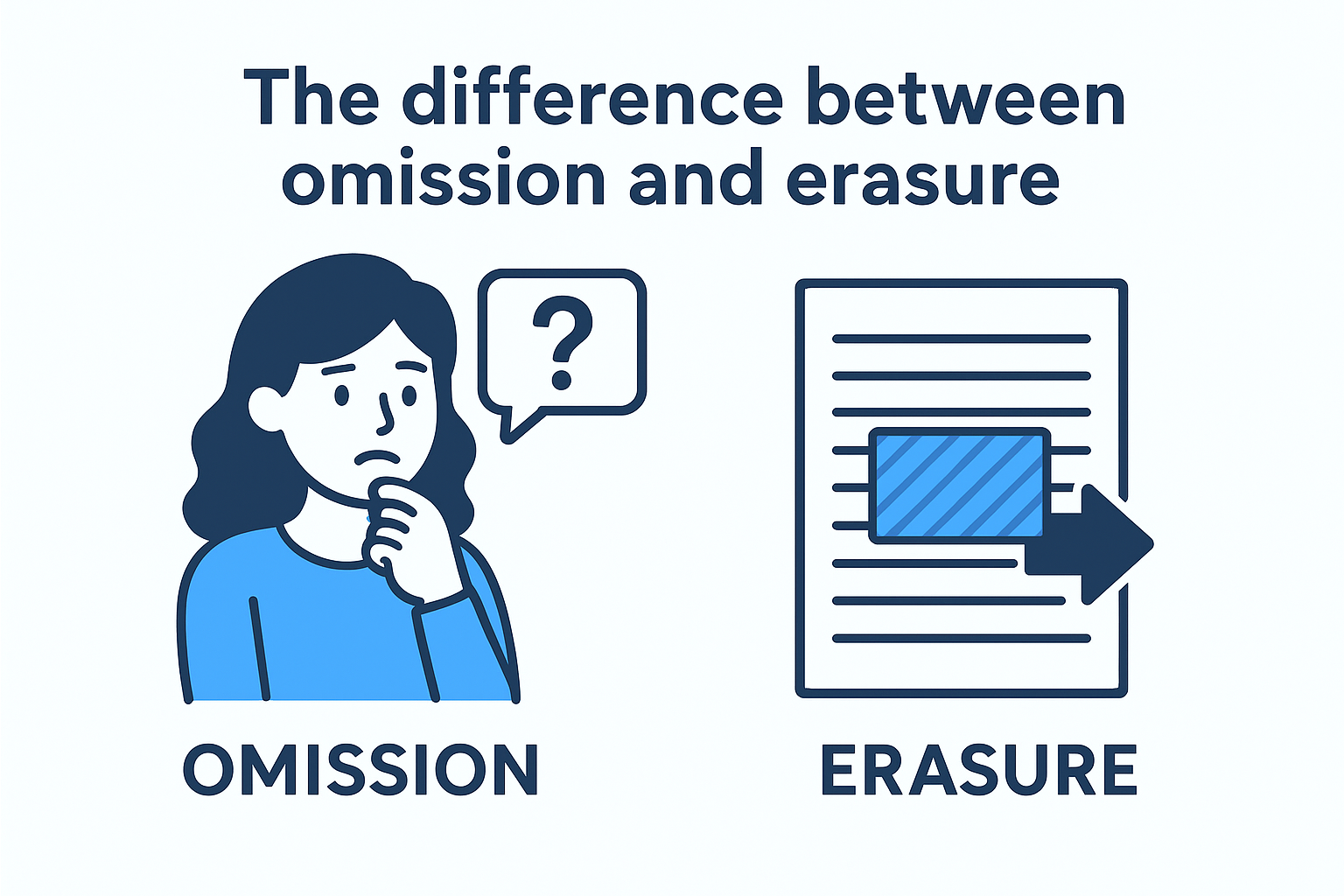
The historical record is never neutral. Every account of the past reflects a choice about what to include and what to leave out.
Consider how many indigenous cultures and their histories were excluded from Western textbooks for generations, not because the evidence didn't exist, but because the writers of those books didn't consider those stories relevant. That's omission working in plain sight. Erasure looks different: think of how the Soviet Union rewrote entire periods of its own history by removing figures from official photographs and altering state documents. Both approaches shape what you know and, more critically, what you don't know to ask about.
Why the official record is always incomplete
Every historical account is produced by someone with a specific vantage point, and that vantage point determines what gets recorded. Governments document what supports their legitimacy. Publishers print what sells to the widest audience. Educational institutions teach what aligns with a national identity. None of these forces necessarily set out to mislead you, but the combined effect is a curated version of the past that reflects the priorities of whoever held the pen at the time.
This is why the same global conflict often looks radically different depending on which country's textbooks you pick up. One nation's liberation struggle is another nation's act of aggression. Neither version is lying outright, but both are leaving something significant out. Hidden history sits in the space between those competing accounts, in the details, voices, and consequences that no single official version bothered to preserve.
Your job as a reader isn't to distrust everything you've been taught but to ask what's absent from the stories you've accepted as complete. The moment you start noticing those silences, the historical record starts looking a lot less like a comprehensive archive and a lot more like a heavily edited highlight reel with entire chapters left on the cutting room floor.
How hidden histories get hidden
Understanding the hidden history meaning goes deeper once you examine the specific mechanisms that push stories out of the official record. Most of the time, no single person or group sits down and decides to hide an entire chapter of history. Instead, a series of small, overlapping decisions by institutions, publishers, governments, and educators gradually pushes certain events and voices toward the margins until they disappear from view entirely.
Political and institutional filtering
Governments and state institutions shape history more than any other single force. When a country controls its national curriculum, it controls what the next generation considers important, which means uncomfortable events, like military atrocities committed by one's own side or the suppression of domestic populations, tend to get softened, reframed, or quietly dropped from lesson plans. State archives compound this problem by restricting access to sensitive documents for decades, sometimes longer, so that by the time the full record becomes available, the sanitized version has already taken hold in public memory.
Restricted archives don't just delay the truth; they give the official story time to harden into accepted fact before anyone can challenge it.
Cultural and economic forces
Politics alone doesn't explain every gap in the historical record. Cultural bias plays a significant role in determining which stories get told and which ones get shelved. Histories centered on dominant ethnic or national groups tend to receive the most research funding, the most academic attention, and the most shelf space, while the experiences of minority populations, colonized peoples, and marginalized communities get classified as niche topics rather than essential reading. Publishing economics reinforce this pattern directly: a book that challenges a widely accepted narrative carries commercial risk that most mainstream publishers are unwilling to absorb. Stories that survive are often the ones that made financial sense to preserve, not necessarily the ones that carried the most historical weight. These two forces, cultural bias and market pressure, work together quietly, producing gaps in the record that feel natural rather than deliberate.
Examples of hidden history
The clearest way to understand the hidden history meaning is to look at concrete cases where the official record left out significant chapters. These aren't obscure footnotes; they are events that shaped entire nations and populations, yet they rarely appear in the textbooks most people grew up reading. Putting specific examples in front of you makes the pattern much harder to dismiss as an abstract problem.
Colonial atrocities and their aftermath
Belgium's conduct in the Congo Free State under King Leopold II is one of the most striking examples of history that took generations to reach mainstream audiences. Millions of Congolese people died or suffered mutilation under a brutal rubber extraction system, yet for decades this story received almost no coverage in European history curricula. The events were documented at the time through contemporary journalism and eyewitness testimony, but institutional and political forces kept them from entering the standard narrative. Only sustained pressure from historians and activists gradually moved this chapter from the margins into broader public knowledge. The delay itself is part of the story, since the sanitized version had decades to solidify before anyone seriously challenged it.
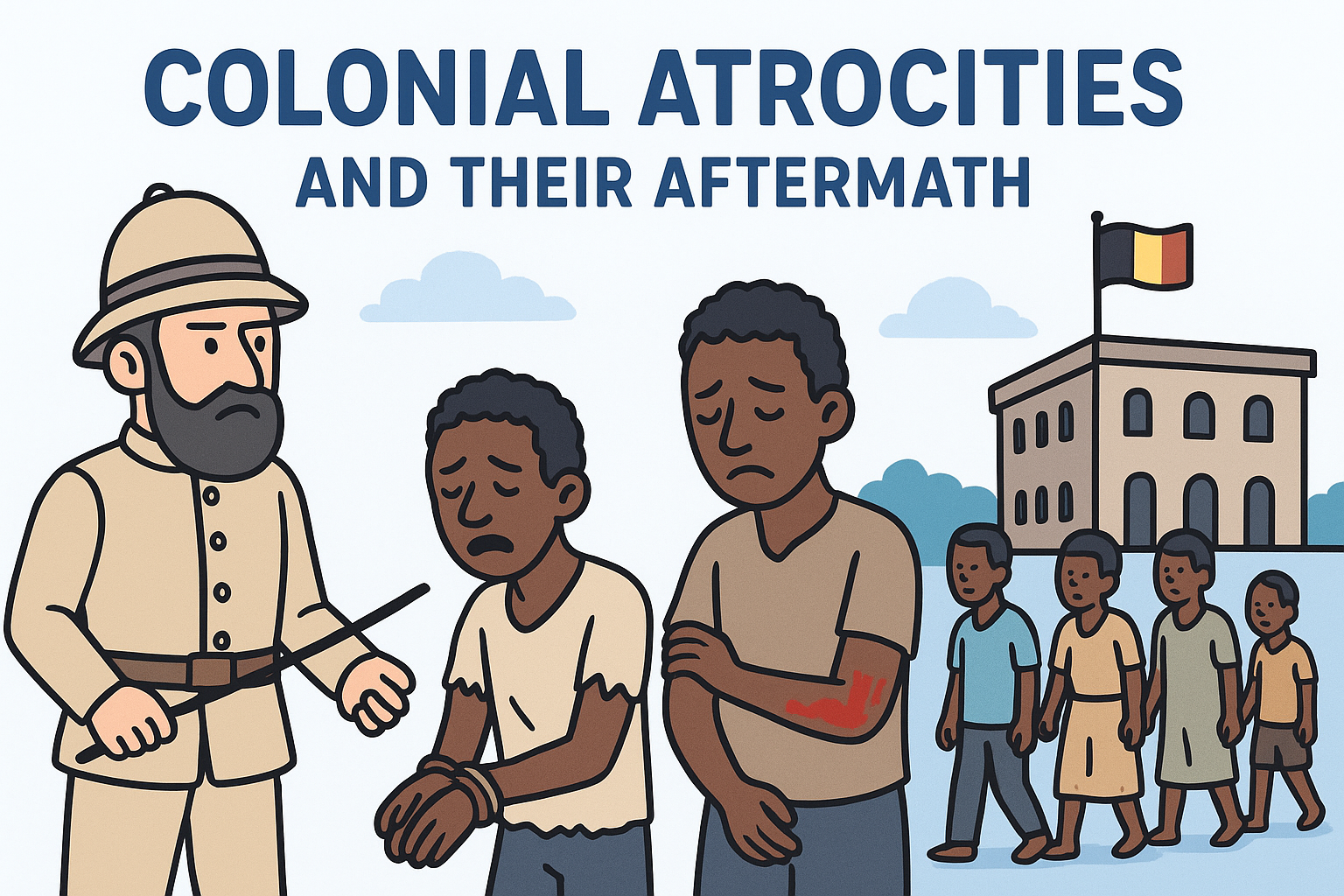
What gets left out of official history often says more about the priorities of those writing it than about the significance of the events themselves.
Conflicts that mainstream accounts flatten
The Vietnam War looks very different when you include the perspectives of Vietnamese civilians and soldiers rather than focusing exclusively on American military strategy. Tens of millions of people lived through a conflict that most Western textbooks reduce to a debate about U.S. foreign policy. Similarly, the partition of British India in 1947 displaced around 15 million people and triggered catastrophic violence, yet it rarely receives the same depth of coverage as European events from the same period. Both cases follow an identical pattern: the experiences of those with the least institutional power get compressed into a paragraph while the decisions of governments fill entire chapters. Your understanding of any major conflict shifts significantly depending on whose perspective shaped the version you first encountered.
How to research hidden history responsibly
Exploring the hidden history meaning in practice requires more than reading a single alternative account and accepting it as the full truth. The same critical thinking you apply to official narratives should apply to every source you encounter, including the ones that challenge the mainstream record. Responsible research means building your understanding from multiple directions rather than simply swapping one accepted story for another.
Start with primary sources
Primary sources are the closest you can get to an actual event: original documents, firsthand accounts, official records, and contemporary reporting from the period in question. When you ground your research in primary material, you reduce your dependence on what later writers chose to include or leave out. University libraries, national archives, and digitized collections put a significant volume of primary material within reach for any serious reader without requiring institutional access.
A primary source won't always tell you the whole story, but it will tell you what someone recorded at the time, before later interpretations had a chance to shape the narrative.
Cross-reference across multiple perspectives
No single book or author gives you the complete picture on any contested historical topic. Your goal is to read accounts written from genuinely different vantage points, which might mean pairing a British colonial history with scholarship written by historians from the colonized region, or reading both American and Vietnamese academic work on the same conflict. When multiple independent sources converge on a detail, your confidence in that detail increases. When they contradict each other, that gap itself becomes worth investigating rather than a reason to dismiss one side outright.
Look for the following when evaluating any source on hidden history:
- Does the author cite specific evidence, or rely on vague claims?
- Are the referenced documents or accounts verifiable by a third party?
- Does the author acknowledge limitations in the available record?
- Is the work peer-reviewed, independently published, or self-published with no editorial oversight?
Applying these checks consistently separates serious historical inquiry from speculation dressed up as revelation.
Hidden history vs pseudohistory
One of the most important distinctions in understanding the hidden history meaning is knowing where legitimate historical inquiry ends and pseudohistory begins. Pseudohistory presents claims that look like historical research but lacks verifiable evidence, ignores contradictory facts, and relies on speculation dressed as revelation. Confusing the two leads you toward conclusions that don't hold up under scrutiny, which ultimately undermines the credibility of the genuine gaps worth investigating.
What pseudohistory looks like
Pseudohistory typically starts with a conclusion and works backward to find supporting evidence while ignoring anything that contradicts the thesis. You'll recognize it by certain consistent patterns: an over-reliance on anonymous sources, a refusal to engage with mainstream scholarship even when that scholarship includes solid evidence, and the tendency to frame any opposing view as proof of a cover-up rather than a legitimate counter-argument. These tactics make the claims feel unfalsifiable, which is a significant warning sign for any reader applying critical thinking.
If a historical claim can't be challenged by any evidence because all contradictions are reframed as part of the conspiracy, that's pseudohistory, not hidden history.
How to tell the difference
Genuine hidden history rests on documented evidence that was suppressed, ignored, or simply underreported, and serious researchers in this space acknowledge the limits of what the available record can prove. Pseudohistory, by contrast, fills gaps in the evidence with speculation presented as fact, often without citing sources that a reader could independently verify. The difference isn't whether a topic is controversial or whether it challenges an accepted narrative. Plenty of legitimate historical research overturns previously accepted conclusions. The real difference is whether the author shows their work transparently. When you engage with any alternative account of the past, ask whether the central argument would survive if one key assumption turned out to be wrong. Legitimate historical inquiry is built to handle that pressure. Pseudohistory collapses the moment you start pulling threads.
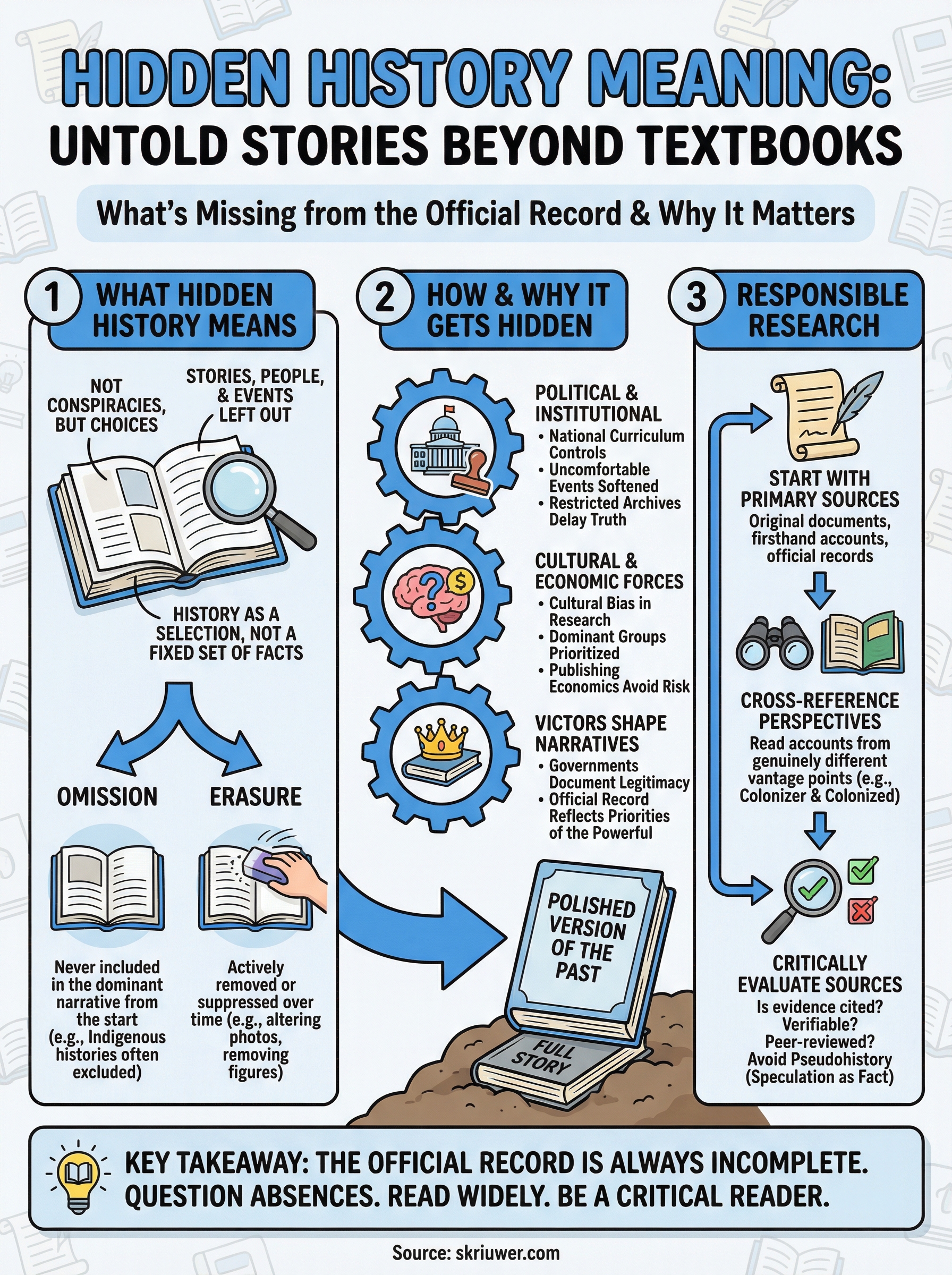
Key Takeaways
Hidden history isn't a fringe obsession. It's a legitimate field of inquiry that acknowledges what every honest historian already knows: the official record is always incomplete, and the gaps in that record follow predictable patterns tied to power, economics, and cultural bias. You now understand the full hidden history meaning, from why stories get omitted or erased, to how political and market forces shape what survives, to how you can distinguish serious research from pseudohistory.
What you do with that understanding is what matters. Start questioning the absences in the accounts you've accepted as complete, read across multiple perspectives, and apply the same critical standards to alternative sources as you do to mainstream ones. If you're ready to go deeper, explore the full catalog of untold histories and overlooked perspectives at Skriuwer, where every title is chosen specifically because it fills a gap the mainstream wouldn't touch.
Recommended Reading
If this topic sparked your curiosity, dive deeper with these books from our catalog:
- The Hidden History of America – Explore the overlooked events and suppressed narratives that shaped the United States.
- The Hidden History of Germany – Uncover the lesser-known stories behind one of Europe's most complex nations.
- The History of Germany: Wars, Peace, and Progress – A comprehensive journey through Germany's transformative past.
Books You Might Like


Through the Language Glass
Guy Deutscher

How to Learn Any Language
Barry Farber